








Healthy cattle are important for productive and sustainable livestock farming. Proper nutrition, clean water, good hygiene, and regular health monitoring can help farmers maintain the overall well-being of their animals. By following a few basic practices, farmers can support healthy growth and better livestock management.
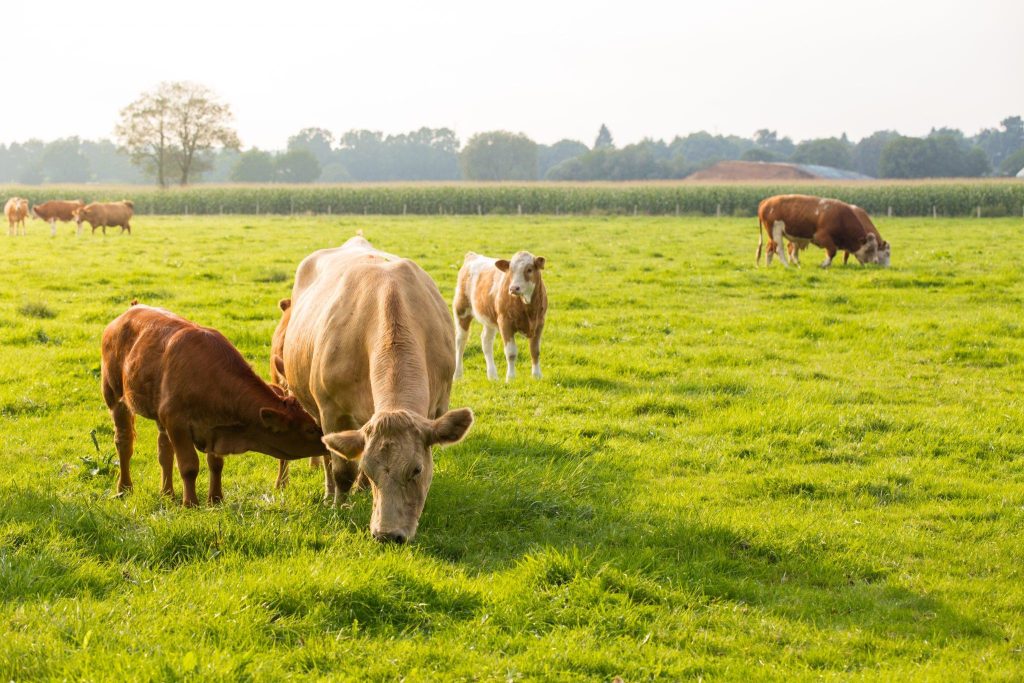
1. Provide Balanced Nutrition
Cattle need a balanced diet containing essential nutrients such as protein, minerals, vitamins, carbohydrates, and fats. Good-quality feed helps support growth, energy levels, digestion, and overall health.
Farmers should provide feed according to the animal’s age, size, production stage, and nutritional requirements.
2. Ensure Clean Drinking Water
Cattle need a balanced diet containing essential nutrients such as protein, minerals, vitamins, carbohydrates, and fats. Good-quality feed helps support growth, energy levels, digestion, and overall health.
Farmers should provide feed according to the animal’s age, size, production stage, and nutritional requirements.
Fresh and clean drinking water is essential for cattle. Adequate water intake supports digestion, body temperature regulation, and normal body functions.
Water containers should be cleaned regularly to reduce contamination.
3. Support Mineral Requirements
Minerals such as calcium, phosphorus, magnesium, and trace minerals play important roles in maintaining normal body functions and supporting growth and development.
Where appropriate, farmers can use veterinarian- or nutritionist-recommended mineral supplements as part of a balanced feeding program.
4. Maintain Proper Hygiene
Clean housing and good farm hygiene can help reduce the risk of health problems. Cattle areas should be kept clean, dry, and well ventilated.
Regularly cleaning feeding and watering areas is also an important part of good livestock management.
5. Monitor Cattle Regularly
Farmers should regularly observe cattle for changes in appetite, activity, behavior, body condition, or other signs of illness.
Early identification of unusual symptoms can help farmers seek professional veterinary advice sooner.